

Russia legalizes crypto trading with a 98% catch

Putin has signed a law legalizing cryptocurrency trading in Russia from September 1, 2026, but strict Central Bank oversight, a high market cap threshold, and tight retail purchase limits mean most investors face significant restrictions.
(Advertisement)

A tightly controlled market opens
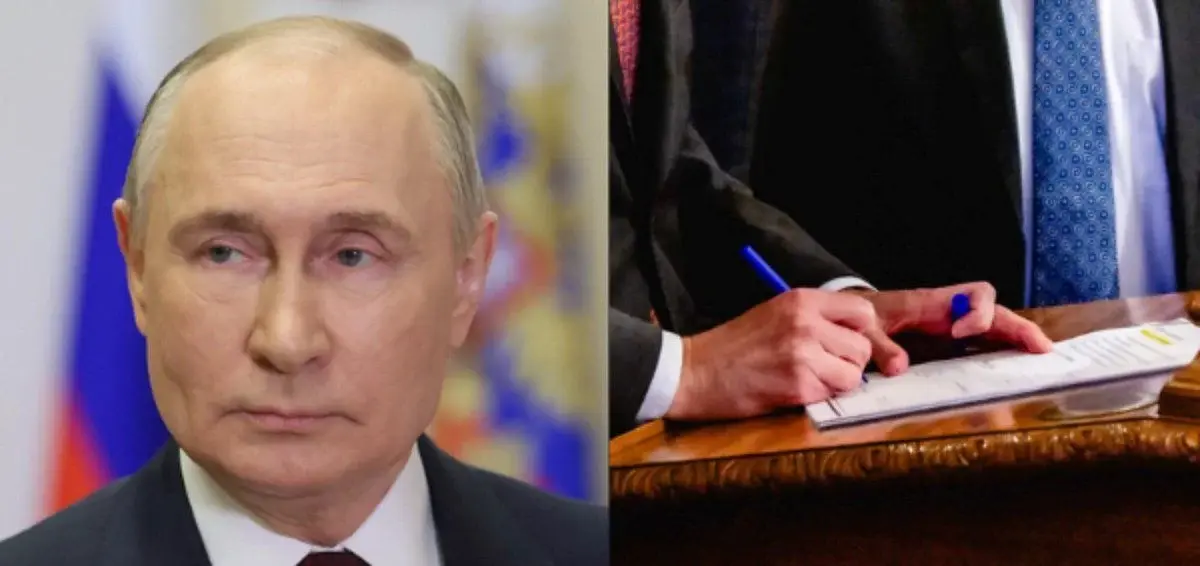
President Vladimir Putin has signed into law Russia's first comprehensive cryptocurrency framework, legalizing crypto trading from September 1, 2026. The legislation does not open a free market. Cryptocurrencies remain prohibited as a means of payment inside Russia, and individuals may only buy and sell them through licensed market participants operating within infrastructure overseen by the Central Bank.
The token whitelist is the law's most restrictive feature for traders. Retail investors can only buy tokens from a Central Bank-approved list of "liquid cryptocurrencies." Draft thresholds include an average market cap above 5 trillion rubles over two years and daily trading volume above 1 trillion rubles, with assets required to show at least five years of price history on a licensed foreign exchange. The tradable universe therefore narrows to a handful of large-cap coins, widely expected to be $BTC, $ETH, and $USDT. Smaller altcoins are effectively excluded from the legal Russian market.
Putin had signed an experimental law in August 2024 that permitted mining and international crypto payments. The new legislation is the permanent framework that replaces that trial. From September 1, the Bank of Russia will license five categories of participant: exchanges, brokers, management companies, depositories, and exchangers.
Retail investors bear the heaviest burden
Retail investors must pass a knowledge test before trading. Those not classified as "qualified" investors, roughly 98% of the Russian market according to the Central Bank, are limited to purchasing no more than 300,000 rubles (approximately $3,840) worth of cryptocurrency per year through any single intermediary.
Qualified investors face higher ceilings, up to 3 million rubles for purchases and 1 million rubles for foreign transfers. Cross-border settlement use, notably for trade under sanctions conditions, remains unrestricted. The legislation regulates mining and allows limited use of digital currencies in foreign trade settlements and certain transactions, amid heightened EU sanctions targeting Russia's crypto activities.
Firms in a special registry may conduct exchange activity, with a grace period running to July 1, 2027. Such firms must carry minimum capital of 15 million rubles, around $190,000, and must join a self-regulatory body. Banks will be required to reject transfers to unauthorized cryptocurrency service providers.
The law also recognizes cryptocurrency as property rather than money under Russian civil code, meaning crypto holdings gain judicial protection in courts, bankruptcy filings, and divorce proceedings.
Sources:
The Moscow Times: Russia Passes Crypto Law to Legalize Trading Under Tight Central Bank Oversight
CoinDesk: Russia Passes Historic Crypto Rules to Regulate Trading and Target Foreign Trade
Bitcoin Magazine: Russia Passes Landmark Crypto Law
(Advertisement)
Latest News





Read More...




Author
 Crypto Rich
Rich has been researching cryptocurrency and blockchain technology for eight years and has served as a senior analyst at BSCN since its founding in 2020. He focuses on fundamental analysis of early-stage crypto projects and tokens and has published in-depth research reports on over 200 emerging protocols. Rich also writes about broader technology and scientific trends and maintains active involvement in the crypto community through X/Twitter Spaces, and leading industry events.