

SEC proposes overhaul of transfer agent rules to cover blockchain recordkeeping

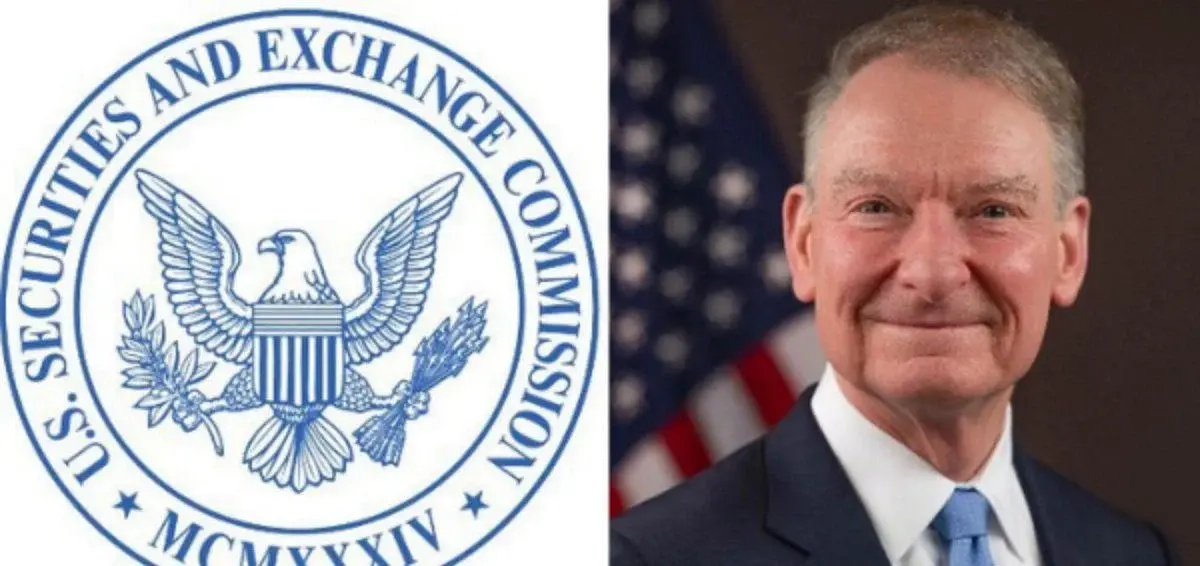
The SEC has proposed its first major update to transfer agent rules in roughly four decades, formally recognising blockchain-based recordkeeping and inviting public comment on tokenized securities under Chairman Paul Atkins.
(Advertisement)

The @SECGov has proposed its first significant overhaul of transfer agent regulations in roughly four decades, formally recognising blockchain and distributed ledger technology as legitimate tools for securities recordkeeping. The proposal was published on September 1, 2026.
Rules Built for Paper, Updated for the Blockchain Era
Transfer agents are the behind-the-scenes bookkeepers of the securities world. They maintain the official record of who owns what, process ownership changes, issue and cancel certificates, and handle dividend distributions. The problem is that the current rulebook for these entities dates back primarily to the late 1970s and early 1980s, a framework designed for a world of physical stock certificates and paper ledgers.
The proposal modernizes the registration and reporting requirements for the roughly 273 registered transfer agents operating in the US. It would recognize electronic and blockchain-based recordkeeping alongside new risk management and compliance requirements for registered transfer agents. It explicitly invites public comment on how these rules should account for blockchain-based recordkeeping, distributed ledger technology, and the growing universe of uncertificated securities.
@SECPaulSAtkins said the changes reflect transfer agents' current use of blockchain technology in securities offerings and share transfers. The comment period runs 60 days from the date of Federal Register publication.
Tokenization Takes Center Stage
The most consequential piece of the proposal for crypto markets is the SEC's direct engagement with tokenization. The regulator is asking the public to weigh in on how transfer agents' roles should evolve as more securities transactions move onchain, including how digital wallets should be treated compared to traditional physical addresses, what fraud risks emerge from onchain transactions, and how the official ownership register should interact with blockchain-based records.
A key element is Proposed Rule 17ad-31, which would establish stricter standards around restrictive legends on securities. For tokenized securities, this means the SEC wants mechanisms that can enforce transfer restrictions directly, potentially through smart contract logic that mirrors the compliance guardrails of traditional markets.
The proposal fits within a broader agenda at the @SECGov under Chairman Atkins. The SEC's 2026 rulemaking agenda reflects Chairman Atkins's broadly deregulatory orientation, with proposals aimed at cutting compliance burdens, facilitating capital formation, and building a crypto framework. These are intended to advance President Trump's goal of making the United States the crypto capital of the world, spanning the offer and sale of crypto assets, market structure, custody, transfer agents, and broker-dealer rules.
Sources:
Crypto Briefing: SEC proposes first major transfer agent overhaul in decades
Cleary Securities Watch: SEC Publishes Its 2026 Rulemaking Agenda
SEC.gov: FAQs on Crypto Asset Activities and Distributed Ledger Technology
(Advertisement)
Latest News





Read More...





Author
 Crypto Rich
Rich has been researching cryptocurrency and blockchain technology for eight years and has served as a senior analyst at BSCN since its founding in 2020. He focuses on fundamental analysis of early-stage crypto projects and tokens and has published in-depth research reports on over 200 emerging protocols. Rich also writes about broader technology and scientific trends and maintains active involvement in the crypto community through X/Twitter Spaces, and leading industry events.