

Oil slides 6% after Trump calls off Iran strike

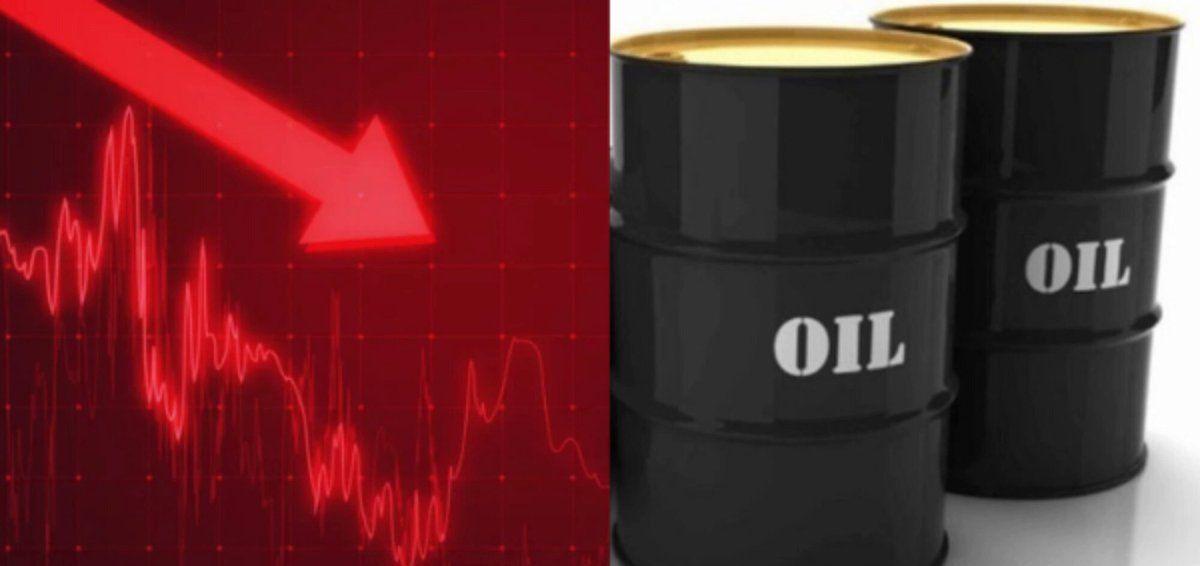
Crude oil prices fell sharply on Monday after President Trump halted a planned strike on Iran, citing a near deal. WTI dropped over 6% while an OPEC+ output hike added further pressure.
(Advertisement)

Crude oil sold off sharply on Monday after President Donald Trump announced he had called off a planned strike on Iran, saying a deal to end the five-month conflict was within reach. West Texas Intermediate futures declined more than 6% to $79.49 per barrel. Brent crude futures lost nearly 5% to $83.73 a barrel.
Trump Pauses Strike, Tehran Pushes Back
Trump said in a Truth Social post: "We have just been asked by Iran, and other Middle Eastern Countries, to hold off any attack in that the perimeters of a deal has been agreed to." He said talks would begin on Monday, with discussions aimed at reopening the Strait of Hormuz and ensuring Iran abandons its nuclear ambitions.
Tehran, however, was dismissive. Oil prices fell more than $5 a barrel on Monday after Trump held off on a fresh attack on Iran in the hope of sealing a quick deal, although Tehran said no talks were planned. Iran's acting defense minister said his country considered "every threat to be real," while characterizing Trump's statements as part of a "psychological and cognitive warfare campaign."
The broader backdrop is significant. Both benchmarks jumped more than 20% last month after fighting between the U.S. and Iran resumed and attacks on several tankers around Oman heightened security concerns, deterring shippers from entering the Gulf to load oil. A deal to reopen the Strait of Hormuz would allow oil tankers, effectively blocked during the conflict, to resume normal shipping. Prior to hostilities, the strait handled roughly 130 vessel transits daily. Over the weekend, only 20 vessels made the crossing, according to maritime data company Kpler.
OPEC+ Hike Adds to the Pressure
The diplomatic shift was not the only force weighing on prices. The decline in crude was reinforced by OPEC+'s decision on Sunday to raise production quotas by about 188,000 barrels per day from September, completing the unwinding of a layer of voluntary output cuts introduced in 2023. The September increase, agreed by core OPEC+ members including Saudi Arabia, Russia, Iraq, Kuwait, Algeria, Kazakhstan and Oman, finishes the phased rollback of a 1.65 million bpd supply cut originally agreed in 2023.
However, the Middle East conflict and disruptions at the Strait of Hormuz may prevent the hike from immediately boosting global supplies. Due to export disruptions from the Gulf, Russia and Kazakhstan caused by the Iran and Ukraine wars, successive monthly OPEC+ hikes over most of this year have remained largely on paper with little impact on the market.
Despite Monday's drop, crude has not erased its conflict-era gains. U.S. crude remained about 20% above its pre-conflict level. Traders have been here before. Every de-escalation headline strips some risk premium out of the barrel, but with Tehran denying any talks are scheduled, the situation remains fluid.
Sources:
Reuters via Yahoo Finance: Oil prices drop after Trump cancels attack on Iran to seek deal
CNBC: OPEC+ agrees September oil hike, completing rollback of voluntary cuts
Quartz: Oil prices plummet as Trump calls off Iran strike and restarts talks
(Advertisement)
Latest News




Read More...


Author
 Crypto Rich
Rich has been researching cryptocurrency and blockchain technology for eight years and has served as a senior analyst at BSCN since its founding in 2020. He focuses on fundamental analysis of early-stage crypto projects and tokens and has published in-depth research reports on over 200 emerging protocols. Rich also writes about broader technology and scientific trends and maintains active involvement in the crypto community through X/Twitter Spaces, and leading industry events.