

Senate Republicans Revamp CLARITY Act Ahead of Key Vote

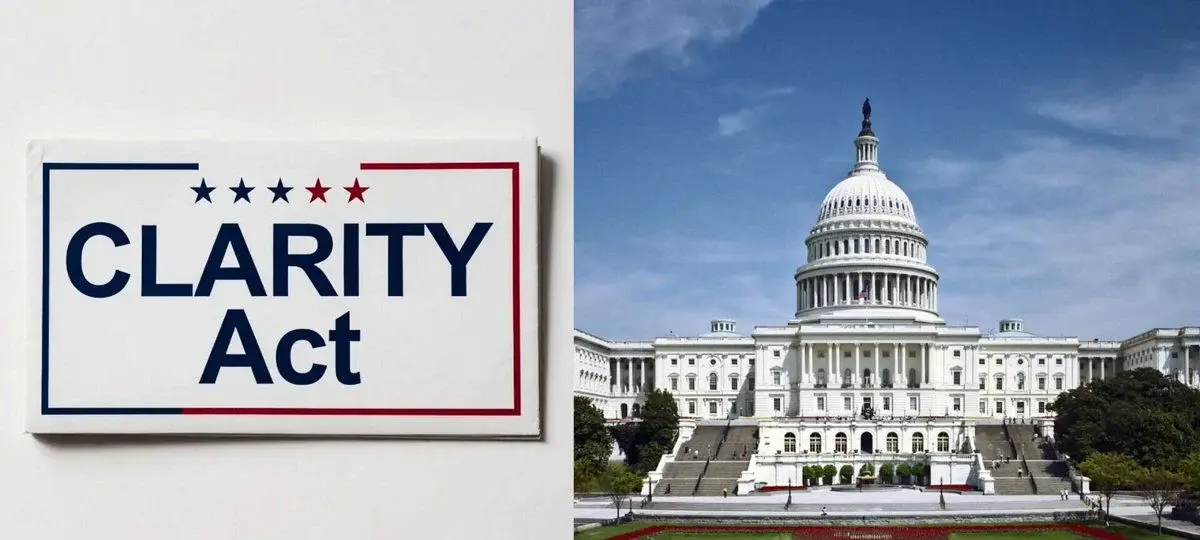
Senate Republicans have released revised CLARITY Act text ahead of a crucial cloture vote on September 15, calling it their last, best and final offer to Democrats as the crypto market structure bill faces a critical Senate hurdle.
(Advertisement)

Senate Republicans have released a revised version of the CLARITY Act, formally known as the Digital Asset Market Clarity Act, ahead of a pivotal procedural vote scheduled for September 15. The substitute text was framed by the bill's sponsors as their "last, best and final" offer to Democrats.
According to the official release, the text incorporates 126 substantive changes requested by Democratic negotiators over more than a year of talks. The updated version was posted on Senator Cynthia Lummis's Senate site alongside supporting fact sheets. Lummis noted that the updated legislation incorporates over 114 amendments previously requested by Senate Democrats.
What Changed in the Revised Text
Senate Republicans released new CLARITY Act text featuring a revised ethics proposal agreed to by President Trump, along with changes to sections covering the Blockchain Regulatory Certainty Act (BRCA), stablecoin yield, and the so-called "Ag title."
Under the revised text, covered federal officials and their spouses would be required to divest "substantial" or "significant" crypto-related financial interests, or place them in a qualified blind trust. State attorneys general would also gain a role in enforcing the ethics provisions, a concession the White House had previously resisted.
Under the new version, non-DeFi trading protocols would need to register with the Commodity Futures Trading Commission, and the bill directs the CFTC and Treasury to write rules. The updated text also includes language that DeFi provisions apply only to "spot and cash digital commodity transactions," which Senator Lummis said was meant to address concerns from tribal governments about the CLARITY Act's impact on prediction markets.
The revised text notably narrows the provisions of the Blockchain Regulatory Certainty Act, removing specific language that would have extended protections to criminal cases.
The Math Is Unforgiving
The Senate delayed a floor vote ahead of the August 2026 recess due to partisan disagreements over ethics rules and banking opposition, scheduling a procedural vote for September 15, 2026, a cloture vote on the motion to proceed, which requires 60 votes to overcome a filibuster.
Republicans currently hold 53 seats, while Democrats hold 45 and two independents caucus with Democrats. Even if all 53 Republicans vote in favor, CLARITY supporters would still need at least seven Democratic or independent votes. About a dozen Democrats have negotiated on the bill for months, and not enough of them have publicly committed to guarantee the 60 votes.
Democratic lawmakers contend the ethics provisions remain inadequate. The existing ethics framework prohibits government officials and their spouses from creating or promoting digital assets, with Justice Department oversight, and this provision expires in January 2029. Democratic senators have characterized this language as insufficient.
The outcome of Tuesday's vote will determine whether the legislation can advance to full Senate debate, or whether another delay pushes crypto market structure legislation further into the future, potentially shifting crypto regulation back to the SEC and CFTC and leaving the industry dependent on agency rulemaking rather than permanent legislation.
Sources:
The Block: Senate Republicans unveil revised crypto bill ahead of key CLARITY Act vote
The Crypto Times: Senate Unveils Final CLARITY Act Text With Trump-Backed Ethics Deal
Latham and Watkins: US Crypto Policy Tracker, Legislative Developments
(Advertisement)
Latest News




Read More...



Author
 Soumen Datta
Soumen has been a crypto researcher since 2020 and holds a master’s in Physics. His writing and research has been published by publications such as CryptoSlate and DailyCoin, as well as BSCN. His areas of focus include Bitcoin, DeFi, and high-potential altcoins like Ethereum, Solana, XRP, and Chainlink. He combines analytical depth with journalistic clarity to deliver insights for both newcomers and seasoned crypto readers.