

CLARITY Setback Puts US Crypto Rules Under Regulators

The CLARITY Act failed its Senate procedural vote, shifting the future of US crypto regulation toward the SEC and CFTC. Here is what the setback means for the digital asset industry.

(Advertisement)

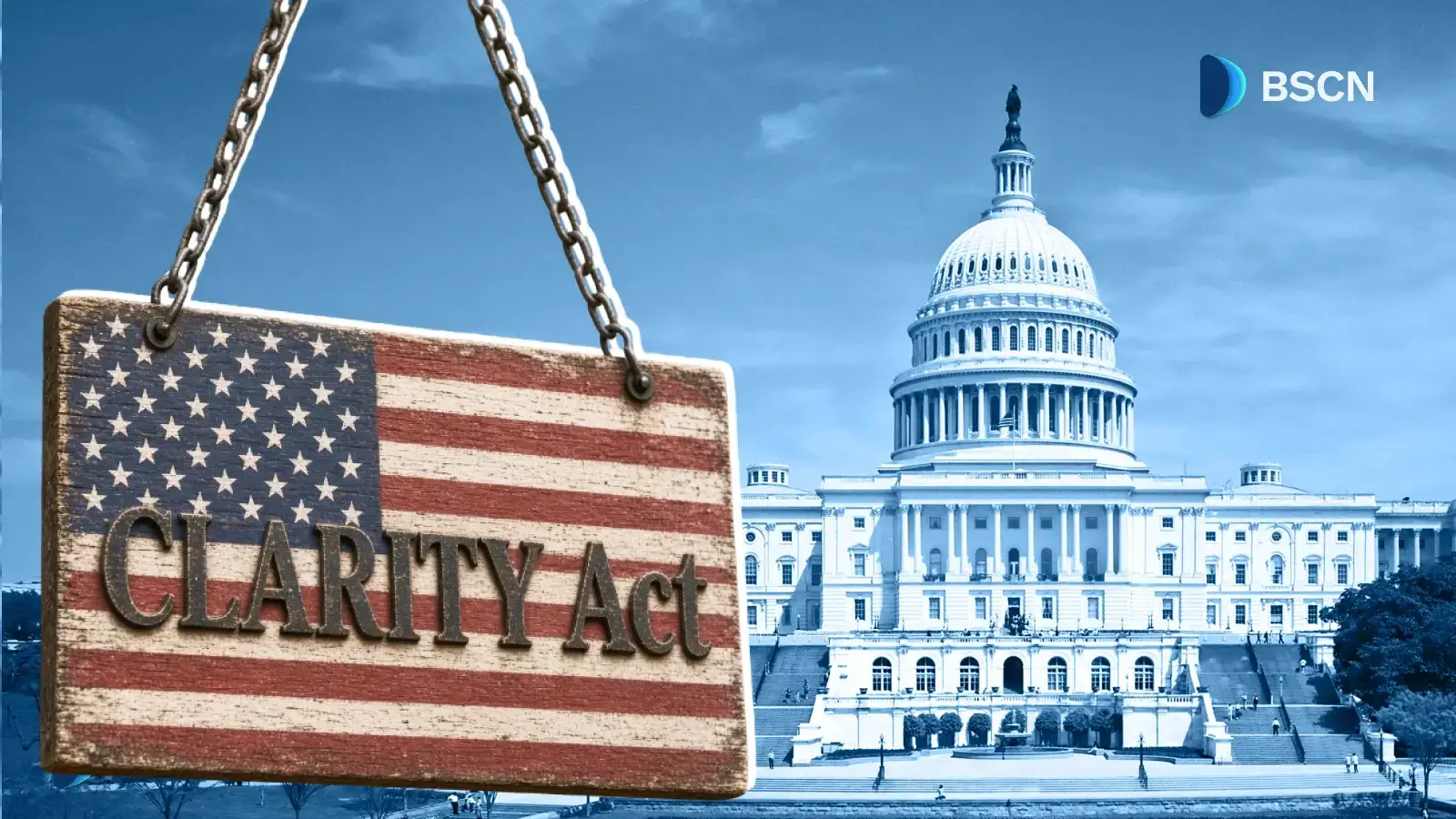
The Digital Asset Market Clarity Act has failed its key Senate procedural vote, dealing a significant blow to the crypto industry's push for a comprehensive statutory framework and throwing the future of US digital asset regulation back into the hands of federal agencies.
What Happened in the Senate
The bill failed to survive a Senate cloture vote on Tuesday, falling well short of the 60 supporters required to advance, with only 49 senators voting in favour on a 49-50 count. Republican leaders had released a revised version of the bill over the weekend, adding new ethics restrictions to address Democratic concerns about public officials profiting from crypto ventures, but those changes were not enough to resolve the remaining opposition.
The market structure legislation would have created durable rules for how crypto functions in the US financial system, replacing years of regulatory uncertainty around how digital assets can be issued, traded and sold to investors, and would have addressed disagreement over how existing securities and commodities laws apply to digital assets.
The failure essentially ends market structure legislative work in the Senate for 2026 and is a major blow to the crypto industry, which has invested years and hundreds of millions of dollars into trying to support its interests. Among the four Republicans who voted against the bill was Senator Thom Tillis of North Carolina, who nonetheless filed a motion to reconsider, leaving open a narrow procedural path for the bill to be brought up again.
Regulators Step Into the Void
With Congress stalled, attention has shifted to the SEC and the CFTC. Both agencies have already moved to fill the gap. In August, the SEC proposed new rules titled "Regulation Crypto Assets" that would create the first tailored offering regime for certain investment contracts involving crypto assets, described as the most significant SEC rulemaking in the digital asset space to date and the centrepiece of Chairman Paul Atkins' "Project Crypto" initiative.
Atkins himself said in August that legislation remains "indispensable" to prevent the work his agency is doing now from being unwound by a future regulator. The CFTC, meanwhile, recently approved the first bitcoin perpetual futures in the US.
Ripple CEO Brad Garlinghouse said the SEC and CFTC could continue developing rules despite the Senate setback. Industry executives broadly echoed that view, saying the vote would not halt regulatory work at the two agencies or the broader adoption of regulated digital asset infrastructure by banks, asset managers and crypto companies.
The prolonged uncertainty, however, could push investment and development toward jurisdictions such as the European Union, where the Markets in Crypto-Assets (MiCA) regulation already provides a clearer rulebook. While the CLARITY Act is not officially dead, it could face an even more hostile Senate after the midterm elections. With senators scheduled to leave Washington in the coming weeks, the midterm election in seven weeks further complicates any effort to revive the bill in the near term.
Sources:
CNBC: Senate cloture vote on Clarity Act fails, dealing regulatory blow to crypto industry
Axios: Crypto's Clarity Act fails to advance in Senate
SEC.gov: SEC Proposes New Regulation Crypto Assets
(Advertisement)
Latest News





Read More...




Author
 Soumen Datta
Soumen has been a crypto researcher since 2020 and holds a master’s in Physics. His writing and research has been published by publications such as CryptoSlate and DailyCoin, as well as BSCN. His areas of focus include Bitcoin, DeFi, and high-potential altcoins like Ethereum, Solana, XRP, and Chainlink. He combines analytical depth with journalistic clarity to deliver insights for both newcomers and seasoned crypto readers.