

Russia's Crypto Market Gets Massive Forecast

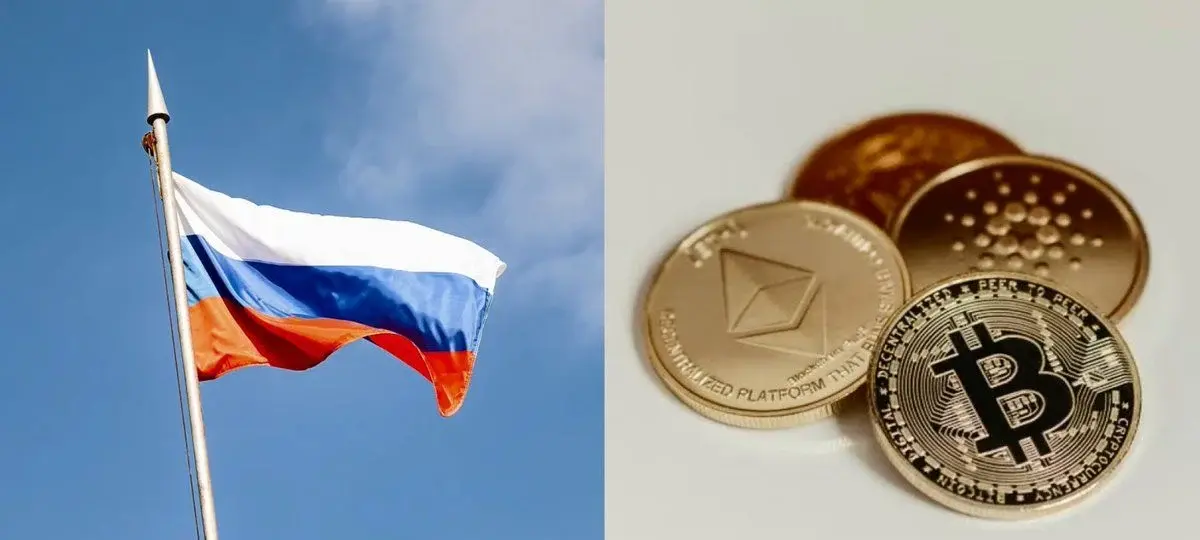
Sberbank projects Russia's regulated crypto trading market could reach $46.4 billion in its first year under a new legal framework taking effect September 1, 2026, and grow to $87.1 billion by 2029.
(Advertisement)

Sberbank Sets the Scale
Russia's regulated cryptocurrency market is open for business as of September 1, 2026, and the country's largest bank has wasted no time setting expectations. Sberbank said the country's regulated crypto trading volume on exchanges may reach 4 trillion rubles ($46.4 billion) in the first year after crypto laws take effect, according to state news agency TASS. Anatoly Popov, Sberbank's deputy chairman, added that trading volume could grow to roughly 7.5 trillion rubles ($87.1 billion) by 2029.
The figures sound large, but Sberbank's own research unit frames them as a conservative starting point. The estimate from SberCIB Investment Research suggests that regulated exchanges could capture roughly 20% of Russia's existing crypto activity in the first year. Popov cited Russian Finance Ministry data showing cryptocurrency transactions in the country at about 50 billion rubles a day as of February, equivalent to roughly 18 trillion rubles annually. That puts the bulk of activity, around 80%, still flowing through peer-to-peer channels and offshore platforms in the near term.
What the New Framework Actually Allows
President Vladimir Putin signed the legislation on August 4, establishing Russia's first comprehensive regulatory framework for digital currencies and digital rights. Russia's State Duma approved the country's first comprehensive cryptocurrency law, creating a legal framework for exchanges, depositories, and other digital asset providers. The law restricts crypto trading to entities in a special registry and caps annual purchases by retail investors at about $3,800 per licensed intermediary.
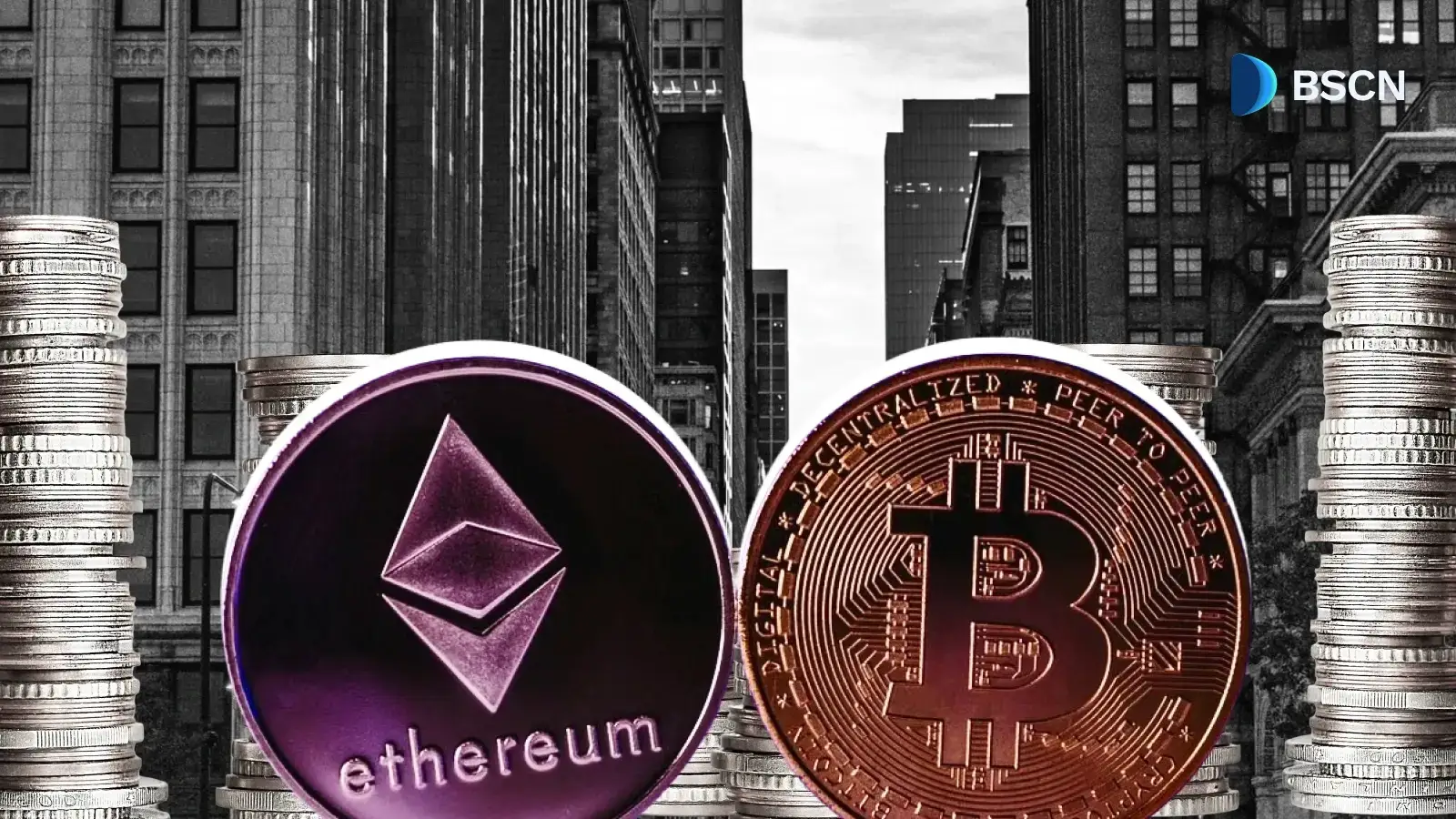
Under the new framework, retail investors will be allowed to purchase selected liquid cryptocurrencies through licensed intermediaries after passing a mandatory investor assessment, with annual purchases capped at 300,000 rubles per intermediary. Qualified investors must also complete an investor test, but will not face investment limits and may trade any cryptocurrency permitted under the framework. The asset menu is deliberately narrow at launch, with only Bitcoin, Ethereum, and USDT available on regulated platforms initially.
While maintaining a ban on using crypto for domestic payments, the legislation regulates mining and allows limited use of digital currencies in foreign trade settlements and certain transactions. The Central Bank of Russia states that exporters and importers may use cryptocurrencies for cross-border payments, with no limit on transaction amounts.
Sberbank is also positioning itself to capitalise on the shift. The bank reportedly plans to launch a crypto wallet in its Sber and Sber Investments apps alongside a digital asset depository by early December. Sberbank is also exploring crypto-backed lending, where borrowers could pledge Bitcoin, Ethereum, or USDT as collateral for loans. Professional market participants, including exchanges and brokers, are required to obtain licensing by July 1, 2027.
Sources:
The Block: Russia's largest bank forecasts $46 billion in first-year crypto exchange trading under new rules
CoinDesk: Russia passes historic crypto rules to regulate trading and target foreign trade
The Crypto Basic: Sberbank Forecasts $46 Billion in Crypto Trading on Russia's Regulated Exchanges
(Advertisement)
Latest News


Read More...


Author
 Soumen Datta
Soumen has been a crypto researcher since 2020 and holds a master’s in Physics. His writing and research has been published by publications such as CryptoSlate and DailyCoin, as well as BSCN. His areas of focus include Bitcoin, DeFi, and high-potential altcoins like Ethereum, Solana, XRP, and Chainlink. He combines analytical depth with journalistic clarity to deliver insights for both newcomers and seasoned crypto readers.